Saturday, February 22, 2014

Health benefits of banana skin


It is a well known fact that bananas are exceptionally nutritious and offer
several health promoting benefits.
A common practice while eating banana is to eat the flesh of the banana and
throw its peel away. Poor banana skin, it has been known as gag material causing
people to slip over it. Interestingly, its a myth that banana skin causes you to slip. On positive side,
did you know that the banana skin can also provide various benefits to your
health, skin and hair? Banana peel
contains many vitamins, minerals and other nutrients, which makes it excellent
for health and beauty purposes. Although
it can be eaten raw, it is best when consumed after cooking. So the next time
you have a banana, instead of discarding the peel, try to make use of its
amazing benefits.


Nutritional value of banana
peel

Just as bananas are packed with nutrients, their peels also pack a punch
nutritionally. Banana peel actually contains more fiber (soluble and insoluble)
and potassium than the flesh of banana. It also contains tryptophan, an essential amino acid that increases the levels of
the hormone serotonin, which is a mood enhancer. Banana peel is a good source of
vitamins like vitamin
A, and vitamin B6. In addition to potassium, it also contains minerals like
calcium, manganese, magnesium, sodium and sulfur. Banana peel also contains
antioxidants including lutein and phytochemicals like polyphenols and
carotenoids. Interestingly,  antioxidant
activity of the banana peel
extract was found to be stronger than that of
the banana pulp extract.


partly peeled banana and banana skin
partly peeled banana skin
The nutrients in banana peel are considered to provide several benefits,
which makes it an excellent remedy for treating various health conditions.


Banana peel protects your
heart

The high levels of soluble and insoluble
fiber
in banana peel are very useful in reducing the levels of bad
cholesterol or LDL cholesterol. Also,
banana peel is an excellent source of potassium that helps to lower high blood pressure. By
keeping the cholesterol and blood pressure
levels
under check, banana peel offers protective effects to your
heart.


Banana skin for whiter
teeth

By rubbing the inside of banana peel daily on your teeth, you will get whiter and sparkling teeth. Take the inner
white part of the peel and gently rub it all over your teeth for about 2
minutes. The minerals like potassium, magnesium and manganese in banana peel are
absorbed in to your teeth, making them white and stain-free.


Beautiful skin with banana
skin

The application of banana peel on your skin can improve its appearance and
glow. It is a rich source of vitamin C and other antioxidants that promotes
increased blood circulation in your skin and also stimulates the production of
collagen. Scrubbing your skin with banana peel provides excellent exfoliation
and removes the dirt and dead skin
cells
. This cleanses your skin and makes it looking soft, smooth and
young.


Banana peel reduces skin
aging

The antioxidants in banana peel fights off the free radicals and prevent the
oxidation stress on the cells of your body. This helps in slowing the aging
process and also in reducing the signs of aging. Moreover, rubbing banana peel
on the skin is an excellent remedy to tone
and tighten your skin, thus removing wrinkles and fine lines.


Banana peel removes acne

If you are suffering from acne breakouts, banana peel can be of great help.
Simply rub the peel over the affected area and you will see considerable
improvement in the condition. The high potassium content in banana peel destroys
the bacteria and helps to heal blemishes at a faster rate. The anti-bacterial
properties of banana peel are helpful in treating other kinds of skin infections
too.


Banana peel for removing
warts

Banana peel has been found to be effective in removing warts and also in
preventing them from occurring again. Rub the peel or keep the peel over the
wart affected area overnight and you will see that the warts have reduced in
size or have disappeared completely.


Banana peel relieves
eczema and psoriasis

Banana peel is also used as a natural remedy to get relief from skin
conditions like psoriasis and eczema. The
peel has excellent exfoliating properties, which helps in removing loose and
flaky skin. The antioxidants and other nutrients in banana peel provide the
necessary nourishment to your skin. Banana peel has anti-inflammatory
properties that help in reducing the inflammation associated with eczema and
psoriasis.


Banana skin helps soothe
irritation

Banana peel is a wonderful remedy for soothing skin irritation caused by
poison ivy, bug bites and other kinds of allergic
skin reactions
. The vitamins, antioxidants and other nutrients in the
peel increases blood circulation, which promotes quicker healing. Banana peel
has anti-inflammatory properties that soothes irritation and prevents
inflammation, while its antibacterial properties help in preventing bacterial infection.


Banana peel promotes
healthy bowel movements

Banana peel is a rich source of both soluble and insoluble dietary fiber. The
intake of foods rich in fiber helps in making your bowel movements regular and
in preventing constipation.


Banana skin and weight loss

The high amounts of fiber in banana peel give you the sensation of fullness,
which prevents you from overeating and snacking in between meals. Banana peels
are low in calories and at the same time rich in nutrients. This makes it a
healthy and nutritious food for people trying to
lose weight.


Banana peel and cancer cure

Banana peel is high in antioxidants that prevent oxidative stress caused to
the cells by free radicals. It also contains compounds that can prevent cell
mutations that may lead to the development of cancer.


Banana peel eases
depression

Banana peels contains the amino acid
tryptophan, which increases the levels of serotonin levels in your body.
Serotonin helps in improving your mood and in making you feel happy. A low level
of serotonin has been considered to be one of the reasons of depression in
people.  Researchers have found that increased levels of serotonin helps in
easing depression. According to studies, boiling the banana peel and drinking
the boiled water or blending the peel in a juicer and drinking the juice is a
very effective way to combat depression.


Banana peel for a good night’s
sleep

As mentioned above, banana peel is high in tryptophan, an essential amino
acid that helps you sleep better. In fact it is often prescribed by doctors as a supplement to take care of sleep problems and treat insomnia. So if you are experiencing sleep
problems, eating banana peel is a great way to enjoy a good night’s sleep.


Banana peel protects red blood
cells

Red blood cells help in carrying oxygen to all parts of your body. Studies
reveal that banana peel contains nutrients that protect your red blood cells
from breaking down.


Banana peel improves eye
health

Banana peel contains vitamin A, which is associated with good eyesight.  It
is also rich in lutein, which is often referred to as the eye vitamin. Lutein
helps in improving your eye health and night vision. This compound has also been
found to protect your eyes from conditions like macular degeneration and cataract. Lutein is a powerful
antioxidant that protects the cells of your eyes from damage caused by free
radicals. It is also effective in protecting your eyes from the harmful effects
of ultraviolet rays of the sun.


Banana peel for pain relief

Banana peel has been touted to have pain relieving effects. Placing the peel
on your forehead and back of the neck has been found to ease headaches. The
analgesic effect of banana peel is attributed to the presence of oils inside the
peel that penetrate your skin and offer pain relief.


Banana peel for removing
splinters

Banana peel is considered to be effective in removing splinters from your
body without causing infection. Place the peel over the splintered region and
tape it. The enzymes in the peel work to dislodge the splinter, so that you can
easily remove it with minimum pain and less risk of injury or infection.


Banana peel and waste water
treatment

Extracts from banana peel have been found as good absorbants and can be used
for removal of heavy metal from waste water. As research
suggests, it offers good potential to absorb harmful contaminants from
water. It can also be used in removal of trace metals from synthetic
solution.


Other uses of banana peel

In addition to the various health benefits,
banana peel is useful in many other ways too. It can be used to polish your
shoes, leather goods and also silver items. Placing banana peel over insect
bites or poison ivy rash can help ease the pain. It is a great fertilizer for
plants. Banana peel is rich in important minerals and nutrients that help your
plants grow well. Hence it can be added to the compost. Banana peel contains
enzymes that help in making meat tender and hence it is used in several cuisines
as a meat tenderizer.


Because of their nutritional value,
banana peel is also used as feedstock for goats, cattle, pigs, rabbits, poultry,
fish
and many other species of animals. Adding the peels to the soil can improve the
nutrient content of the soil. This way banana peel also provides nutrients and
nourishment to your plants. As you can see, just like several other fruit peels,
the banana peels are also nutritionally rich. This makes it a great food for not
only us humans, but also for the other living things.  The best part is that it
is very cheap and readily available all the time.


source --  http://www.valuefood.info/food/natural-food/nutrition-health-benefits-fruits/health-benefits-of-banana-peel-skin/


Brought to you today by Mark Weaver
http://DEtoxwithDE.com
http://heavenandearthpowder.info

http://healthyadvantage.blogspot.com
http://mwweaver.com
http://blastyoururl.com
Diatomaceous
Earth for Your Health(DE) aka Fossil Shell Flour ... Some of the 1500 everyday
uses for DE -->> L•¿•K  at these Keywords -->> Adult Health, More
Energy, Bone Health, Bursitis, Arthritis, Lower Cholesterol, Brain/ Mood,
Candida, Cardiovascular, Detoxification, Regular Bowel Movements, Lowering Of
Blood Pressure, Complexion, Sinus, Cough, Eliminate Parasites, Diabetes,
Hemorrhoids, Digestive Health, Hair/ Nails, Skin Care, Hay Fever, Immune Health,
Joint Health, Muscle Growth/Regeneration, Skin, Sleep/ Relaxation, Stress,
Weight Loss, Parasites, Colon Cleanse, Colon, Women's Health, Men's Health, Bug
Control, Fleas, Bed Bugs, Ants, Spiders, Roaches, Flies, Lice, According to a
top cancer researcher, it is also the best natural chelating product
available(and affordable) - for pulling heavy metals from the bloodstream. Many
believe that the increase in the number of cases of Heavy metal poisoning has
occurred in part due to mercury in vaccines, fluoridated water, deodorants with
aluminum, some seafood, foil wrap, cooking in aluminum cookware, and a number of
other ways. .... and now even found to help with effects from... YES
"chemtrail/geo-engineering and radiation fallout,also in recent studies may
remove food additive toxins too along with fluoride"

Tuesday, February 18, 2014

33 Foods that Starve Cancer

“The obvious thing
is to think about what we could remove from our diet. But I took a completely
opposite approach and began asking: What could we be adding to our diet that
could boost the body’s defense system? In other words, can we eat to starve
cancer?”- Dr. William Li
Cancer is the second most common form of death in the United States –
claiming the lives of 1 in 4 people. While billions of dollars in high-tech
research is conducted yearly, we just can’t seem to get ahead of the curve as
more and more people are diagnosed with a number of types of cancers.


We often think about what we should be removing from our diet in an effort to
prevent cancer, such as refined sugar and processed foods. While this is a good
thing to do there may be something else we should be doing. What if we could
actually add certain foods to our diet that would beat cancer at its own
game?


The father of modern medicine, Hippocrates
said it best when he said, “Let your food be thy medicine and medicine be thy
food.” He was referring quite simply to the innate powers that are locked deep
within the cells of living foods – those foods that provide the maximum
nutrition for us are also the very foods that can starve cancer.

What is angiogenesis?


Angiogenesis literally means the creation of new blood vessels – “angio”
means blood vessels and “genesis” means creation. The human body contains over
60,000 miles of blood vessels, including 19 million capillaries.


Blood vessels can adapt to whatever environment they are exposed to and the
body has the amazing ability to regulate how many blood vessels are present at
any time.


Angiogenesis occurs during times of health and disease. Blood carries oxygen
and nutrients to all parts of the body via blood vessels. When new tissue is
developed, a blood supply is necessary for its growth and maintenance –
angiogenesis, or the formation of new blood vessels, must occur.


The body can fertilize vessels to grow and also has ways to prune them back
when necessary. A healthy body has control over the on and off switch and can
regulate angiogenesis as needed.


However, research is now showing that in a number of diseases the body fails
to either grow enough blood vessels or is not able to prune vessels when needed.
When there are too many blood vessels conditions like cancer, arthritis,
blindness, endometriosis, obesity and Alzheimers disease are fueled. When there
are too few vessels, wounds don’t heal and conditions such as stroke, coronary
heart disease, hair loss, erectile dysfunction and peripheral arterial disease
result.


In the case of cancer, tumors release growth factor proteins that beckon for
blood vessels to grow into the tumor. This provides not only the oxygen and the
nutrients that the cancer needs to grow, but also supplies an escape route
whereby cancerous cells can exit the tumor and metastasize in other areas.


Worldwide there are over 70 major diseases that impact millions of humans on
a large scale – these diseases may all look different on the outside but upon
closer inspection, they all share unbalanced angiogenesis as their common
denominator.


This finding is now allowing researchers to re-conceptualize disease
prevention and treatment..


FACT: Cancer begins as a group of harmless cells


Imbalanced angiogenesis is a hallmark of all forms of cancer. First and
foremost it is important to understand how cancer starts. All cancers begin as
microscopic nests of cells that are, for all intensive purposes, harmless. They
can only grow to the size of the tip of a ballpoint pen at most on their own
because they don’t have their own blood supply – no nutrients or oxygen means no
growth.


Autopsy studies from people who have died in car accidents show that forty
percent of women between the ages of 40 and 50 have microscopic cancers in their
breasts and fifty percent of men in their 50′s and 60′s have microscopic cancers
in their prostate.


In fact, by the time we all reach about age 70 we all have these microscopic
nests of cancer cells in our thyroid. However, the majority of these cells never
develop into anything dangerous simply because they don’t have what they need to
survive – that is a blood supply. Dr. Judah Folkman, a pioneer in angiogenesis,
referred to this as “cancer without disease.”


Testing what is true


Cancer cells are fed by the development of new blood vessels, so it makes
sense to think that once the blood supply is cut off, the tumor will no longer
be fed and thus will die. Advancements in angiogenesis research based on this
theory have resulted in much success in both animals as well as humans.


Dr. William Li, President and Medical Director of the Angiogenesis
Foundation, has conducted extensive research in angiogenesis-based medicine – a
new and comprehensive approach to fighting disease by way of restoring the
body’s innate ability to control angiogenesis. Medical therapies that either
stimulate the growth of new blood vessels or inhibit growth are being put to the
test with great success.


Today there is a whole group of cancer treatments that block blood vessel
growth that are approved and in use for cancers of the colon, kidney, breast,
lung, brain and thyroid. Many patients have experienced stabilization or
complete regression from tumors as a result of these drugs.


Catch cancer early


Dr. Li noticed that while many forms of cancer responded quite well to
anti-angiogenesis drugs, others did not. This spawned more research which led
Dr. Li back to the root cause of most disease. He hypothesized that one of the
reasons some cancers responded better than others to anti-angiogenesis therapy
was because many cases were in the advanced stages where the cancer had already
invaded many other parts of the body. Once disease becomes rampant it is
difficult, if not impossible to cure.


But what if there were certain naturally occurring anti-angiogenesis
substances that one could consume in their diet, thus prohibiting cancerous
tumors from ever forming? This led Dr. Li to the thought of starving cancer
before it even becomes a disease – before it is too late – in essence, beating
cancer at its own game. This approach would benefit both healthy people as well
as those who had already beaten cancer.


Diet a major contributor


Ninety to ninety-five percent of all cancers are environmental, meaning they
are outside of genetics. Out of these environmental cancers, thirty to
thirty-five percent are the result of diet. In relation to diet, Dr. Li asked
not what we could take away from the diet but what could be added that would
beat back the blood vessels that feed cancer.


Can we eat to starve cancer? The answer, according to Li, is unequivocally,
yes. Mother nature has provided a plethora of foods with naturally occurring
properties designed to stop the formation of blood vessels in their tracks.


In addition, foods appear to have a synergistic impact on tumors, working
together to starve cancer cells. Some types of certain foods are more potent
than others. While research continues at full speed, an ongoing list of
beneficial foods is being compiled.


Choose your food wisely


According to Dr. Li, we can start today, eating the foods that are known to
inhibit the growth of blood vessels, and make wise choices that will allow us to
stay as healthy as possible by keeping cancerous cells in their infancy. Here
are some of the best foods to choose from:


  • Apples
  • Blueberries
  • Cranberries
  • Tomatoes
  • Garlic
  • Basil
  • Onions
  • Thyme
  • Ginseng
  • Ginger
  • Cauliflower
  • Carrots
  • Broccoli
  • Cabbage
  • Sweet Potato
  • Kale
  • Lemons
  • Oranges
  • Peaches
  • Grapefruit
  • Flaxseed
  • Red Grapes
  • Strawberries
  • String Beans
  • Spinach
  • Green Tea
  • Peppers
  • Pumpkins
  • Honey
  • Olive oil
  • Shiitake mushrooms
  • Walnuts
  • Almonds
cancer fighting foodsNote: Dr. Li recommends eating one cancer-fighting food with
each meal. For information on more cancer-fighting foods visit Eat to Beat Cancer.


Can we beat cancer? – you bet we can – in fact, we can do
better than that. By making wise food choices and living a healthy lifestyle we
can keep the cancerous cells that we all have in our body from ever becoming a
deadly disease.


source -- http://www.thealternativedaily.com/33-foods-starve-cancer


Brought to you today by Mark Weaver
http://DEtoxwithDE.com
http://heavenandearthpowder.info

http://healthyadvantage.blogspot.com
http://mwweaver.com
http://blastyoururl.com
Diatomaceous Earth
for Your Health(DE) aka Fossil Shell Flour ... Some of the 1500 everyday uses
for DE -->> L•¿•K  at these Keywords -->> Adult Health, More
Energy, Bone Health, Bursitis, Arthritis, Lower Cholesterol, Brain/ Mood,
Candida, Cardiovascular, Detoxification, Regular Bowel Movements, Lowering Of
Blood Pressure, Complexion, Sinus, Cough, Eliminate Parasites, Diabetes,
Hemorrhoids, Digestive Health, Hair/ Nails, Skin Care, Hay Fever, Immune Health,
Joint Health, Muscle Growth/Regeneration, Skin, Sleep/ Relaxation, Stress,
Weight Loss, Parasites, Colon Cleanse, Colon, Women's Health, Men's Health, Bug
Control, Fleas, Bed Bugs, Ants, Spiders, Roaches, Flies, Lice, According to a
top cancer researcher, it is also the best natural chelating product
available(and affordable) - for pulling heavy metals from the bloodstream. Many
believe that the increase in the number of cases of Heavy metal poisoning has
occurred in part due to mercury in vaccines, fluoridated water, deodorants with
aluminum, some seafood, foil wrap, cooking in aluminum cookware, and a number of
other ways. .... and now even found to help with effects from... YES
"chemtrail/geo-engineering and radiation fallout,also in recent studies may
remove food additive toxins too along with fluoride"

Saturday, January 25, 2014

Wholesale Essential Oils :)

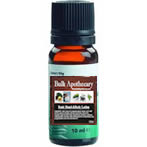
Peppermint Essential Oil

100% pure at some of the best wholesale prices online
We currently carry two versions of peppermint. Japanese and Supreme.
Peppermint Supreme Essential Oil has strong minty notes with herbaceous warm undertones.
Peppermint Japanese Essential Oil has a sharp, penetrating mint scent based on its high menthol content.
For larger quantity wholesale essential oil quotes, please contact our home office. We pride ourselves on offering the best quality and prices anywhere online.


What is it?


Peppermint oil is native to Japan: also known as ‘mentha arvensis’ and is found in countless U.S. household products. It has a high concentration of natural pesticides, one in particular is menthone. This yellow oil is steam distilled directly from the herb and although it is most commonly found in liquid form, it can also be seen in capsules or tablets in many health food stores. Peppermint oil is high in omega-3 fatty acids, Vitamin A, C, minerals, manganese, iron, calcium, magnesium, folate, copper and potassium.

Peppermint Oil has been used for centuries in many ways that have benefitted mankind. Extensive research in recent years has only supported the time honored uses of peppermint and it is through its fantastic benefits that it has become an essential item for any health advocate. The historical uses and research done on the benefits of it all have come to the conclusion that peppermint is one of the most naturally beneficial plants in the world.


The History of Peppermint Oil

The history and uses of peppermint oil have been dated back to 1000 B.C in Egypt as well as ancient Asia. Early Egyptian, Chinese and Japanese cultures used peppermint plants and oils for their healing and restorative properties and in Greek mythology, it is said that the god Hades/Pluto transformed a nymph into the peppermint plant. Today the plant’s scientific name is still titled after the nymph, being called Mentha Piperita. 
Although it has been used throughout the world, the peppermint plant is a native to the Mediterranean and can most prominently be found in gardens in North American and European Countries. Commonly referred to as the world’s oldest medicine, this cross between a spearmint and water mint plant is used in soaps, shampoos, ice cream and toothpaste as well as used for medical reasons.

The Benefits and Uses

Peppermint oil has been used for medical purposes as well as in different industries for centuries but until recently, the positive qualities hadn’t been measured. Once scientists took the initiative to research the properties of it, they found conclusive evidence that matched with the wise instruction of the medicine men of the past. Today, health care physicians recommend peppermint oil to patients suffering from Irritable Bowel Syndrome (IBS,) indigestion, heart burn and nausea amongst other physical ailments.
As a Natural Health Supplement
This yellow and potent oil is made up of strong A and C vitamins as well as healthy mineral supplements of iron, potassium, magnesium, manganese, omega 3 fatty acids, calcium and copper. This makes it a natural health supplement that combats symptoms of illness such as an upset stomach, a blocked respiratory tract, headaches, stress and pain. 
For those suffering from an upset stomach, it relieves gas and spasms for the stomach and can be easily incorporated into a diet by adding a few drops of the oil into a glass of water. The strong menthol found in peppermint oil also instantly clears a respiratory tract of back up and blockage. Many people use it to combat colds, asthma and more serious illnesses such as bronchitis. 
To relieve headaches and pain, it also acts to revitalize the body and block stress and headaches from occurring.
For Health Vitality
The vitality of spirit and health that is rejuvenated through peppermint oil is astounding. Peppermint baths and scents are said to relax the user and lower their stress levels while the health benefits include opening air passages and headache relief. Energy and alertness can be achieved by a simple drop of oil under the tongue. Also, it is said to boost concentration and clarity for those looking to feel better naturally.
In Home Remedies
Amongst the medical benefits, it also is helpful around the home. When combined with other natural ingredients, it is used in organic household cleansing sprays and for insect repellent. Natural peppermint sprays provide the alert and medical benefits while leaving a home clean, bug free and smelling wonderful. Check out our blog for creative uses for peppermint essential oil. 
For Hair and Skin Care
Peppermint deters lice and dandruff while providing a tingling and cooling sensation to the hair follicle on the head. This promotes hair growth as well as balances the PH levels on the head for healthy and shiny hair. Not to mention the invigorating sensation that this all natural oil will bring to your daily routine. 
or skin care, it tends to decrease the production of oil, resulting in less oily and clearer skin for the user. Working with its added health benefits, peppermint oil is ideal for those seeking to look and feel their best naturally.
Recent Research 
Italian researchers in 2007 found conclusive evidence that peppermint oil, when given in the form of capsules to IBS patients, is a natural cure for stomach health problems. 78% percent of the study’s patients who were given the capsules reported health increase and a large decrease in the symptoms of irritable bowel syndrome over a four week period. Iranian studies in 2011 found evidence that concurred with the 2007 Italian research and in 2011, it was found that peppermint oil flows through an anti-pain channel called TRPM8, which assists in the relaxation and pain relief that peppermint oil provides. 
Thousands of people throughout the world have seen and felt the firsthand effects of using peppermint oil and through continued research and use, it may become even further embedded into our society as a naturally healing medicine.

peppermint oil Application:
-Add a drop to your tea or beverage for digestion/stomach issues.
-You can apply approximately 5 drops over your stomach for indigestion/stomach problems.
-Massage the oil on muscle or joint pain to alleviate inflammation/pain.
-When Massaged into the bottom of your feet it will help with fever reduction.
-When applied onto skin it can prevent/stop itching.
-Inhale the fumes and aroma for mood/mental issues.
-Rub productu onto forehead, temples and sinus area for pain relief.
-Mix a few drops into your bathwater for calming aromatherapeutic effects.
-You can even apply directly to scalp to help aid with itching.

Blending:

Peppermint Essential Oil can be successfully blended best with Sandalwood Essential Oil, Basil, Bergamot, Cajeput, Cedarwood, Eucalyptus Essential Oil, Lemon, Lime, Mandarin, Marjoram, Niaouli, Pine, Rosemary, Spearmint, Lavender Oil and Thyme Essential Oils.
Disclaimer:The strong aroma and menthol content should be avoided during pregnancy.
source --  http://www.bulkapothecary.com/essential-oils/peppermint-oil/
I have also found a Great priced  Essential Oil distributor on ebay!   
http://x.co/42Ulo

Monday, January 20, 2014

*** DANGEROUS CHICKEN WINGS!!! ***

 
CHICKEN WINGS- Its Dangerous (Folks, I Care) Avoid eating chicken wings frequently - ladies, especially; a true story...! A friend of mine recently had a growth in her womb and she underwent an operation to remove the cyst. The cyst removed was filled with a dark colored blood. She thought that she would be recovered after the surgery but! she was terribly wrong. A relapse occurred just a few months later. Distressed , she rushed down to her gynecologist for a consultation. During her consultation, her doctor asked her a question that puzzled her. He ask if she was a frequent consumer of chicken wings and she replied yes wondering as to how, he knew of her eating habits. You see, the truth is in this modern day and age; chickens are injected with steroids to accelerate their growth so that the needs of this society can be met. This need is none other than the need for food. Chickens that are injected with steroids are usually given the shot at the neck or the wings. Therefore, it is in these places that the highest concentration of steroids exists. These steroids have terrifying effects on the body as it accelerates growth.. It has an even more dangerous effect in the presence of female hormones, this leads to women being more prone to the growth of a cyst in the womb. Therefore, I advise the people out there to watch their diets and to lower their frequency of consuming chicken wings! If everyone who reads this post shares it to 10 people, you can be sure that we'll save at least one life. Read this & Send to a friend. It could save a life... So, please be a true friend and share this article to all your friends you care about.. Like ? Share ? & Tag your Friends..  PLEASE!!

Thursday, January 16, 2014

18 Most Sickening Food Ingredients


gross-food
Credit: Getty Images

Gross stuff in food

by Amanda Gardner
News about gross-out ingredients like pink slime and ammonia (more about both later) got us thinking: What other surprises lurk in the food we eat? We put that question to food safety as well as food manufacturing experts, and it turns out all kinds of things go into refined and processed foods that you wouldn’t willingly put in your mouth. Here's a few...read at your own risk!

That’s not to say it isn’t safe to eat. The Food and Drug Administration and other agencies spend lots of time and energy to make sure you’re not eating stuff that will kill you. But the idea that something seems “just plain wrong” often isn’t part of the calculation.

Here’s a list of food ingredients that rate high in the yuck factor.
gelatin-meat-product
Credit: Getty Images

Gelatin

What it is: Vegetarians prepare to be shocked! The same stuff that puts the jiggle in Jello and other gelatin-based products is derived from collagen, a protein often collected from animal skins.

The source varies depending on the type of food, says Andrew L. Milkowsi, PhD, adjunct professor of animal sciences at the University of Wisconsin Madison. The gelatin in desserts, for instance, comes mainly from pig skin.

Where you’ll find it: Gelatin, which is a thickening agent, can also be found in frosted cereals, yogurt, candy, and some types of sour cream. (Check the label.)

Gross-out factor: High for vegetarians, low for everyone else.
mechanically-separated-chicken
Credit: Fooducate.com

Mechanically separated meat

What it is: Mechanically separated meat is what’s left over after the meat clinging to the bones of chicken or pork are forced through a sieve-like structure using high pressure. “It looks like a paste or batter,” says Sarah A. Klein, a staff attorney with the Food Safety Program at the Center for Science in the Public Interest. “You have crushed bits of bone and cartilage and other things that can end up in that final paste.”

Because of the risk of bovine spongiform encephalopathy (BSE) or mad cow disease, mechanically separated beef is no longer allowed in human food.

Where you’ll find it: Some hot dogs and other products (again, check the label)

Gross-out factor: High
air-tight-meat-package
Credit: Corbis

Carbon monoxide

What it is: We have carbon monoxide detectors in our homes for a reason: this odorless gas can be deadly. But the same stuff that comes from the exhaust pipe of your vehicle is also used in packaging ground beef and some fish like tilapia and tuna. It helps them retain their youthful blush, says Patty Lovera, assistant director of Food & Water Watch.

Where you’ll find it: Carbon monoxide is injected into plastic wrap after all the air is sucked out to block the process of oxidation that can turn pink meat brown. The process is considered safe for humans although it isn’t widely used anymore, says Lovera. Consumer groups have objected to the treatment's potential to mask meat spoilage.

Gross-out factor: Medium
jelly-beans-gross
Credit: Corbis

Shellac

What it is: Candy lovers, cover your eyes: pretty, shiny treats like jelly beans come at a price. They're often coated with shellac, a sticky substance derived from secretions of the female Kerria lacca, an insect native to Thailand.

Where you’ll find it: Shellac makes jelly beans, candy corn, and other hard-coated candy look shiny. It may be called a “confectioner’s glaze” on the packaging. So sweet, and yet so sick.

Gross-out factor: Low
raw-chicken-breast
Credit: Getty Images

Saltwater injections

What it is: Saltwater is fine in the ocean, but injected into food? Believe it! Too much salt can contribute to high blood pressure and other health problems, so less is better. But in a practice called plumping, manufacturers inject salt and other ingredients into raw meat (mostly chicken) to enhance flavor and increase the weight of the meat before it’s sold.

Where you’ll find it: In packaged meat, and you should avoid it! Check the fine print and the nutrition facts label. Meat that’s been injected may say “flavored with up to 10% of a solution” or “up to 15% chicken broth.” Regular chicken has about 40 to 70 mg of sodium per 4-ounce serving, while plumped chicken can contain 5 times or more than that amount, or 300 mg and up.

Gross-out factor: High, for health reasons
turkey-slices
Credit: Getty Images

Viruses

What it is: Don’t viruses make us sick? Well yes, but bacteriophages —tiny bacteria-killing viruses—actually help us by making bacteria sick. First approved for use on food in 2006, bacteriophages infect food-contaminating germs, not humans, says Milkowski.

Where you’ll find it: Manufacturers spray these on ready-to-eat meat and deli products that are sold in sealed plastic pouches. The bacteriophage products come in two types: One that combats E. coli and the other Listeria bacteria. (Only the second is used on food; the first is used to spray cattle.) Check the ingredient list for the words “bacteriophage preparation."

Gross-out factor: Low
pink-slim-meat
Credit: Getty Images

Ammonia

What it is: Ammonia is a strong smelling chemical found in household cleaning products, but it’s also used as gas to kill germs in low-grade fatty beef trimmings.

“The trim (of animal meat) is prone to having more bacteria on it,” Lovera explains. “They use ammonia as a kill step to deal with the bacteria during processing.”

Where you’ll find it: This controversial practice started around 2001, and the resulting product—sometimes called pink slime—is used as a filler in ground beef.

Gross-out factor: High
pink-slim-plant
Credit: Corbis

Pink slime

What it is: Pink slime is a product derived from the bits of meat clinging to fat, which are separated out by melting the fat away and spinning in a centrifuge.

The result is a pinkish substance called lean finely textured beef that’s treated with ammonia gas to kill germs, and then added to ground beef as a filler. Lots of ground beef, as in 10 billion pounds per year.

Where you’ll find it: Recent furor over the concoction has caused companies like Wendy’s and McDonald’s to report that their hamburgers are pink slime-free and some supermarkets like Safeway and Wegmans to say they will no longer carry it. Schools participating in the National School Lunch Program now have the option of ordering beef without it, according to the USDA.

Gross-out factor: High
tomatoe-cans
Credit: Corbis

Bisphenol A

What it is: Though the chemical bisphenol A, or BPA, has been removed from most hard plastics (including baby bottles and sippy cups), it can still be found in the sealant in the lining of some cans, says Lovera.

Where you’ll find it: “This can be especially problematic with acidic foods like tomatoes,” she says. “The concern is that it leaks into foods.”

BPA has been linked to brain, behavior and prostate problems, especially in fetuses and children.

Gross-out factor: High
beever-sac
Credit: Getty Images

Castoreum

What it is: Brace yourself—this food flavoring is extracted from the castor sac scent glands of the male or female beaver, which are located near the anus. According to Milkowski, the substance is pretty expensive (think about what it probably takes to obtain it) and is more common in perfume than in actual foods.

Where you’ll find it: While it sounds downright disgusting, the FDA says it’s GRAS, meaning it’s “generally recognized as safe.” You won’t see this one on the food label because it’s generally listed as “natural flavoring.” It’s natural all right—naturally icky.

Gross-out factor: Medium
soda-bubbles
Credit: Corbis

Sodium benzoate

What it is: Did you ever take a slug of soda or juice and feel a tingling sensation in your throat? That may be sodium benzoate. This common preservative is also generally recognized as safe (GRAS) by the FDA, meaning it shouldn’t pose a hazard. That doesn't mean you shouldn't avoid it: a 2007 study published in The Lancet found that a mixture of sodium benzoate and food dyes was linked to hyperactive behavior in children, although it was hard to tell if the dyes or the preservative were to blame.

Where you’ll find it: Soft drinks and other carbonated beverages, fruit juices and jams, salad dressings, condiments, and pickles.

Gross-out factor: Medium
antibiotics-live-stock
Credit: Getty Images

Antibiotics

What it is: People take antibiotics to kill germs. Livestock get antibiotics because they grow bigger and faster—and thus are more lucrative.

Where you’ll find it: “The main concern about overuse of antibiotics in livestock production is the growing problem of antibiotic resistance,” says Lovera. Researchers are concerned about antibiotic-resistant bacteria in the overall environment and in livestock facilities.

But foodborne illnesses can result from resistant bacteria in food, including a ground turkey recall in 2011 (resistant salmonella) as well as a 2012 ground beef recall (also salmonella).

Gross-out factor: High
hand-sand
Credit: Getty Images

Silicon dioxide

What it is: Silicon dioxide is what gets in your bathing suit and your hair at the beach. Affectionately known as sand, it’s also found in food. “It’s used in a lot of things as a flow agent and partly because it does a nice job of absorbing a little bit of atmospheric humidity that would cause clumping in a variety of things,” says Milkowski. Swallowing a little sand at the shore probably never hurt you and it probably won’t hurt you at the dinner table either.

Where you’ll find it: Salts, soups, and coffee creamer.

Gross-out factor: Low
cochineal-bugs
Credit: Getty Images

Carmine

What it is: Yup, insects again. In your food. When it comes to food, insects are handy for other things besides their shine. They’re good for color too, especially red. Carmine is a red food-coloring that comes from boiled cochineal bugs, which are a type of beetle.

There have been reports that the bug-based coloring can cause severe allergic reactions in some people, including potentially life-threatening anaphylactic reactions, so the FDA now requires that the ingredient be listed clearly on food and cosmetic labels.

Where you’ll find it: Carmine can be found in ice cream, Skittles, Good n’ Plenty, lemonade, and grapefruit juice.

Gross-out factor: High if you're a vegan, medium for the rest of us.
various-salad-dressing
Credit: Getty Images

Propylene glycol

What it is: This chemical is found in antifreeze, it’s true. But, says Milkowski, “it’s a very, very safe material.” In fact, it’s much safer than a kissing cousin, ethylene glycol, which is particularly toxic to dogs.

Propylene glycol has lubricating properties which aid in making spice concentrates, not to mention condoms. And if you need good mixing in food, this is your compound. “You’ll find things that don’t mix well in water do disperse well in propylene glycol,” says Milkowski.

Where you’ll find it: Sodas, salad dressing, and beer

Gross-out factor: Medium
shredded-cheese
Credit: Getty Images

Cellulose

What it is: Cellulose, derived mainly from wood pulp and cotton, is used in paper ­manufacturing—and sometimes added to food.

Where you’ll find it: Cellulose is added to shredded cheese to keep the strands from sticking together, and also can be found in ice cream. It’s found naturally in corn. Cellulose is “is very innocuous material,” says Milkowsi. “Humans can’t digest it.”

Gross-out factor: Low
chocolate-milk
Credit: Getty Images

Carrageenan

What it is: Do you eat seaweed? If you said no, prepare for a surprise, because carageenan is everywhere. Extracted from seaweed, carrageenan is a gel used as a thickening agent and emulsifier (keeps food from separating.)

Where you’ll find it: May be injected into raw chicken or other meat as a way to retain water, as well as in dairy products like cottage cheese and ice cream. Chocolate milk often contains carrageenan to keep the cocoa from separating from the milk.

Gross-out factor: Low
beef-jerky
Credit: Getty Images

Liquid smoke

What it is: We worry about smoking and eating too much smoky barbecue. We also wonder, what exactly is liquid smoke, anyway? Liquid smoke is made by burning sawdust and capturing the components in either water or a vegetable oil, explains Milkowski.

Where you’ll find it: The resulting product can be purchased and added to sauces and other foods to give it that—yes—smoky flavor. If you’re used to cooking on an open fire, this might not seem all that gross to you, and manufacturers certainly don’t shy away from it. Liquid Smoke is also added to barbecue products, baked beans, hot dogs, bacon, and beef jerky, among others.

Gross-out factor: Low

Sunday, January 12, 2014

"EDUCATE; DON'T VACCINATE." www.cdc.gov


Tamara's Tip of the Day:  

Vaccines contain formaldehyde, aborted fetal tissue, MSG, thimerosal (mercury derivative) and many other toxic substances.  Injecting toxic poisons into your body will NOT increase immunity but will in fact lower your immunity due to the introduction of toxins.  And introducing toxins in babies before their immune system has had a chance to develop is a recipe for disaster.  Do your research, check the CDC website for information on the ingredients in your vaccines and question everything.  "EDUCATE; DON'T VACCINATE."

Tamara's Tip of the Day: Vaccines contain formaldehyde, aborted fetal tissue, MSG, thimerosal (mercury derivative) and many other toxic substances. Injecting toxic poisons into your body will NOT increase immunity but will in fact lower your immunity due to the introduction of toxins. And introducing toxins in babies before their immune system has had a chance to develop is a recipe for disaster. Do your research, check the CDC website for information on the ingredients in your vaccines and question everything. "EDUCATE; DON'T VACCINATE."

Friday, January 10, 2014

Purslane is a common edible wild food


Purslane is a common edible wild food that grows throughout the world and has more recently become a popular cultivated salad green. It contains the highest amount of alpha linoleic acid (which is the precursor to omega-3 fatty acid) and vitamin A out of any of edible plant which makes it one of the most nutrient rich green leafy vegetable to eat. Purslane also contains CoQ10, glutathione, dopamine, and melatonin which can not only can help regulate your sleep cycle, but also inhibit cancer growth as well. Purslane is excellent for boosting the immune system, improving vision, sharpening cognitive abilities, and strengthening the cardiovascular system. It is also great for helping to improve the effectiveness for treatment for bipolar disorders, schizophrenia, hyperactivity, depression, autism, ADD, and Alzheimer’s disease. Purslane is a rich source of vitamins C & B-complex and minerals such as calcium, magnesium, iron, and manganese. Purslane contains a betalin alkaloid that has anti-mutagenic properties that can help to prevent or slow down the growth of tumors in the body. Purslane also contains powerful anti-inflammatory properties and is an ideal food for those suffering with autoimmune disorders such as fibromyalgia, rheumatoid arthritis, chronic fatigue syndrome, COPD, irritable bowel syndrome, and lupus. Purslane is known to be good for hemorrhoids, diarrhea, dysentery, constipation, and parasites. In ancient Egypt, purslane was used to help prevent and treat heart disease, heart failure, and stroke. Purslane leaves are crisp, chewy, and succulent with a mild lemony taste. It is a perfect addition to fresh vegetable juice and it also blends well with other herbs and leafy greens in a salad. The whole plant can be steamed, sauteed, or added to soups or stews. It’s mucilaginous texture gives it a thickening power similar to okra. Purslane can be often be found at your grocery store or farmer’s market alone or in a salad mesclun mix.